Chapter three
The hour around it.
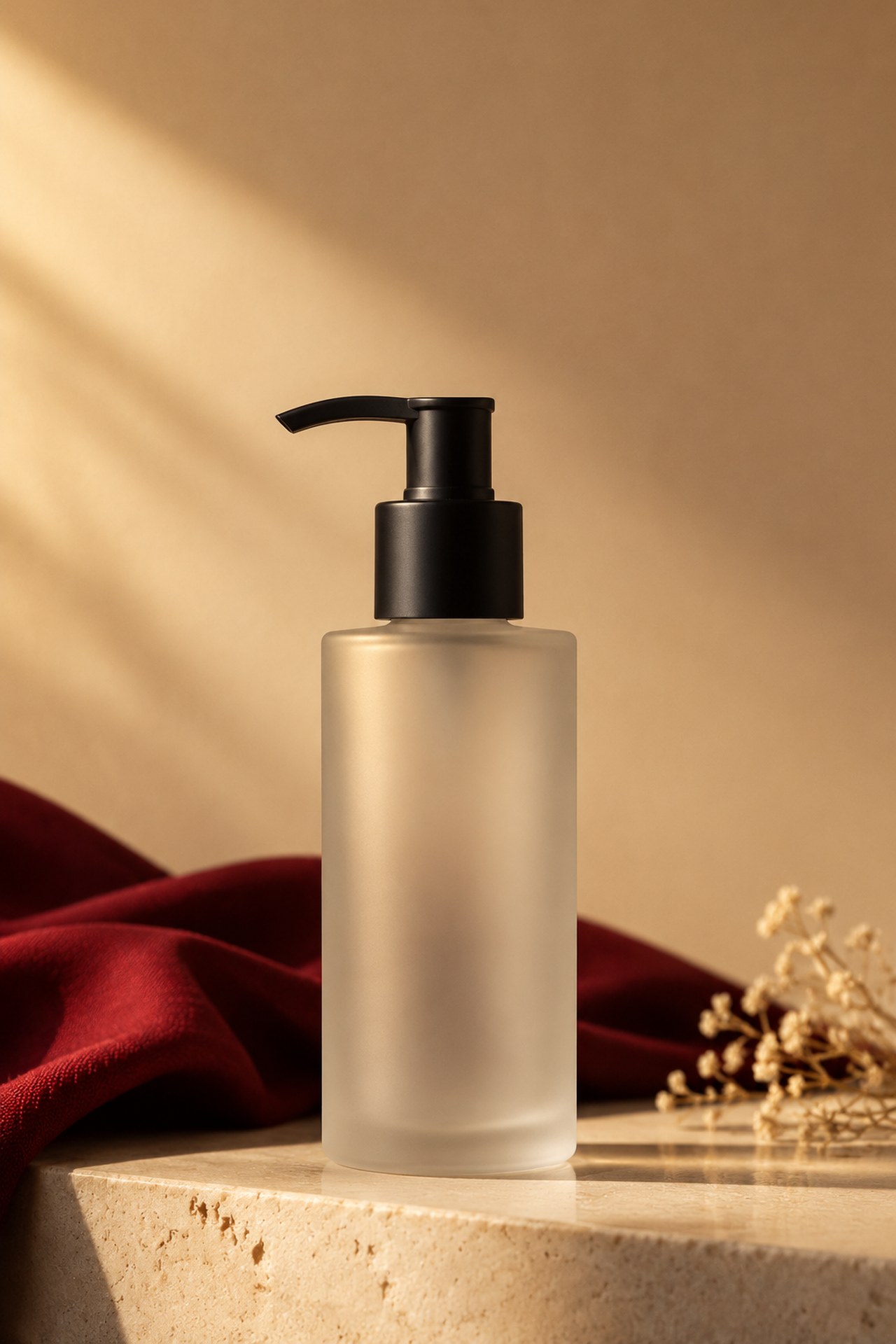
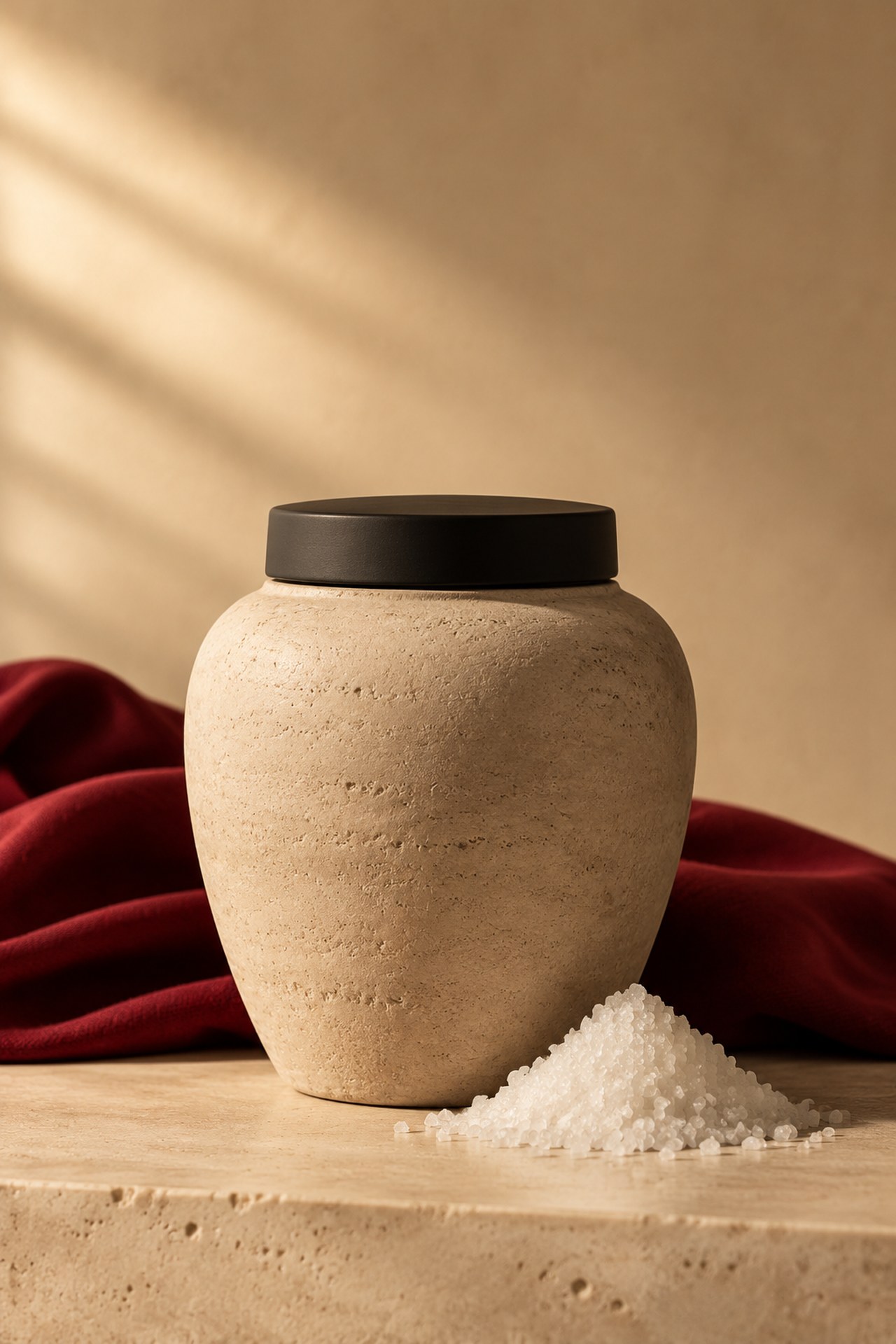
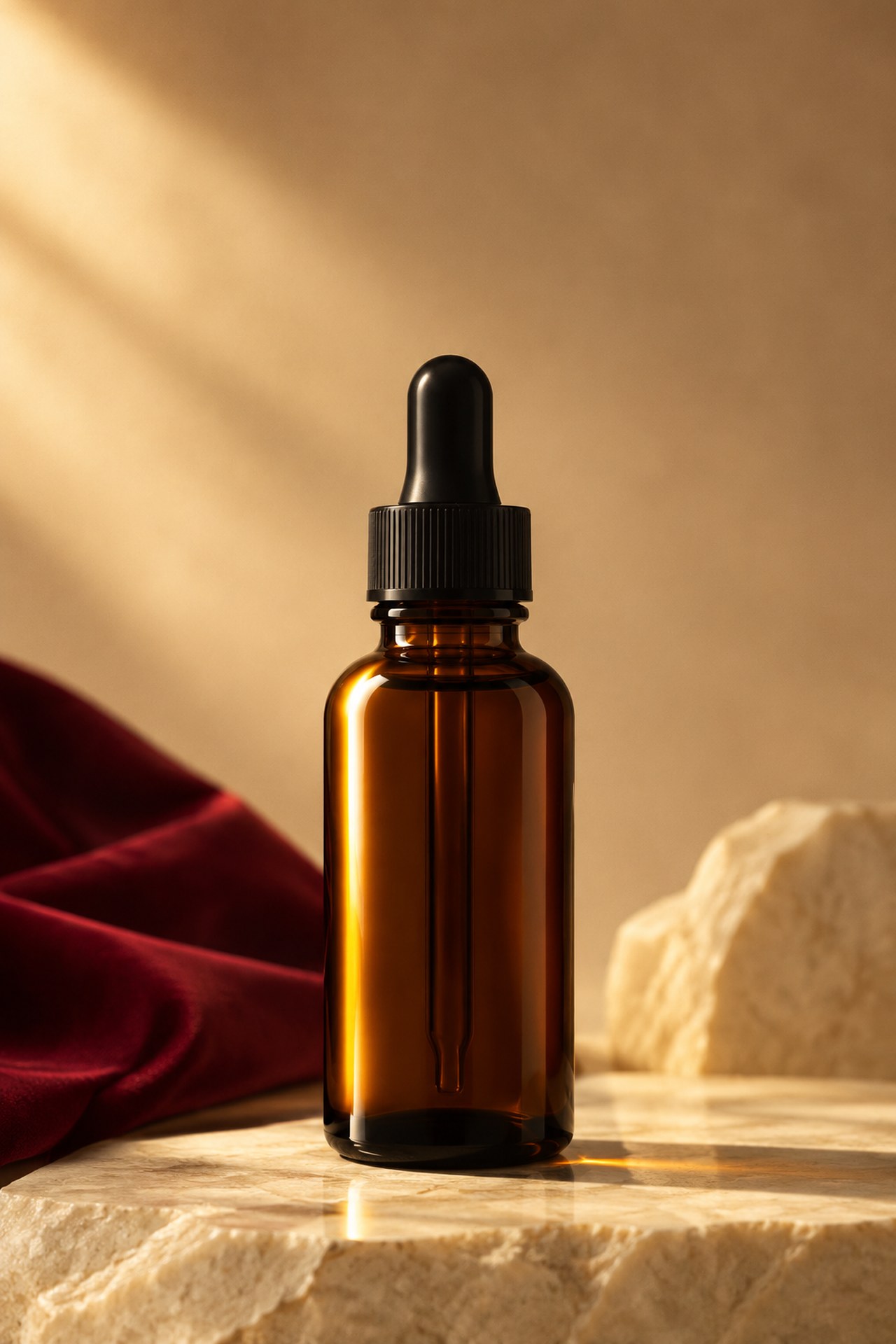
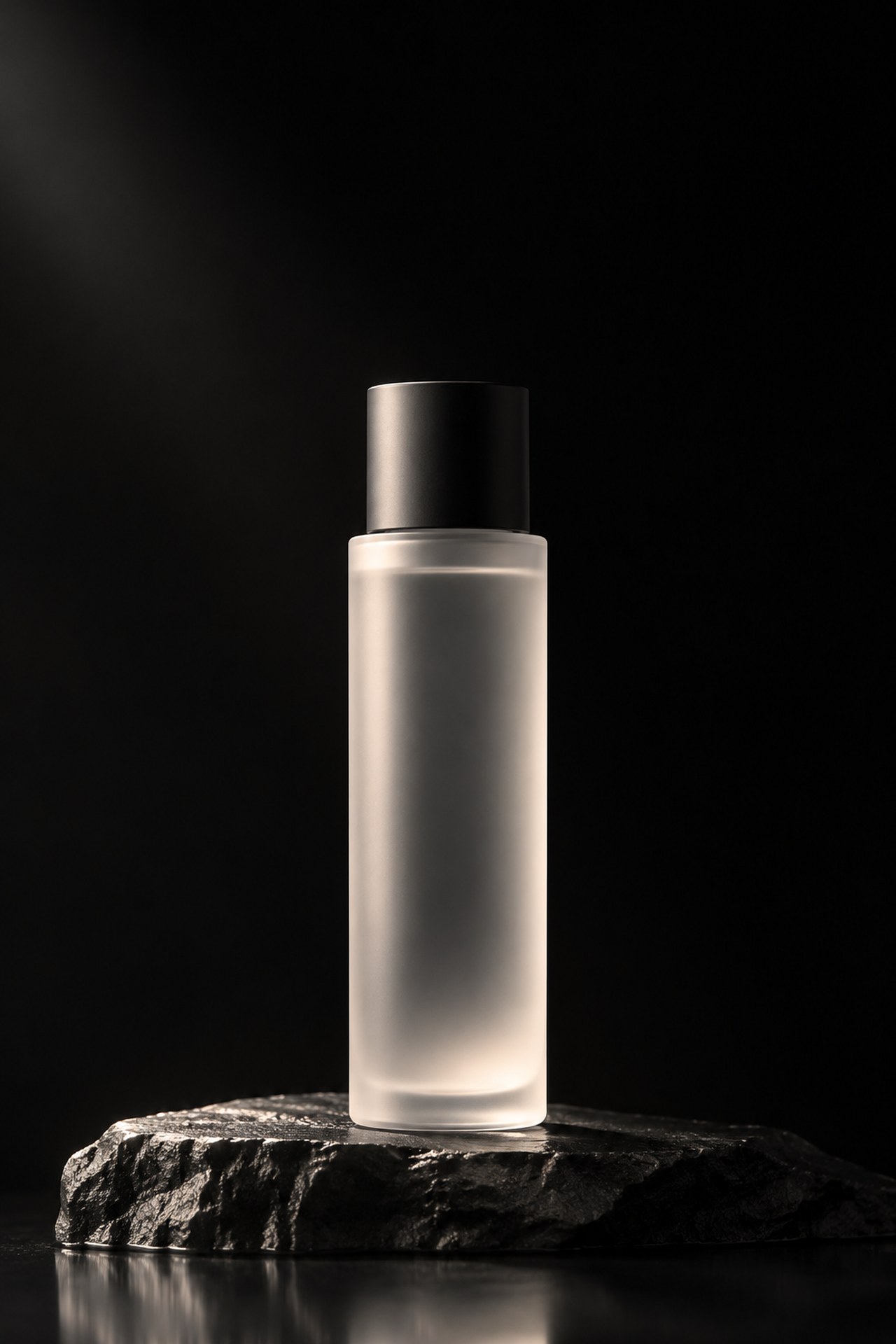
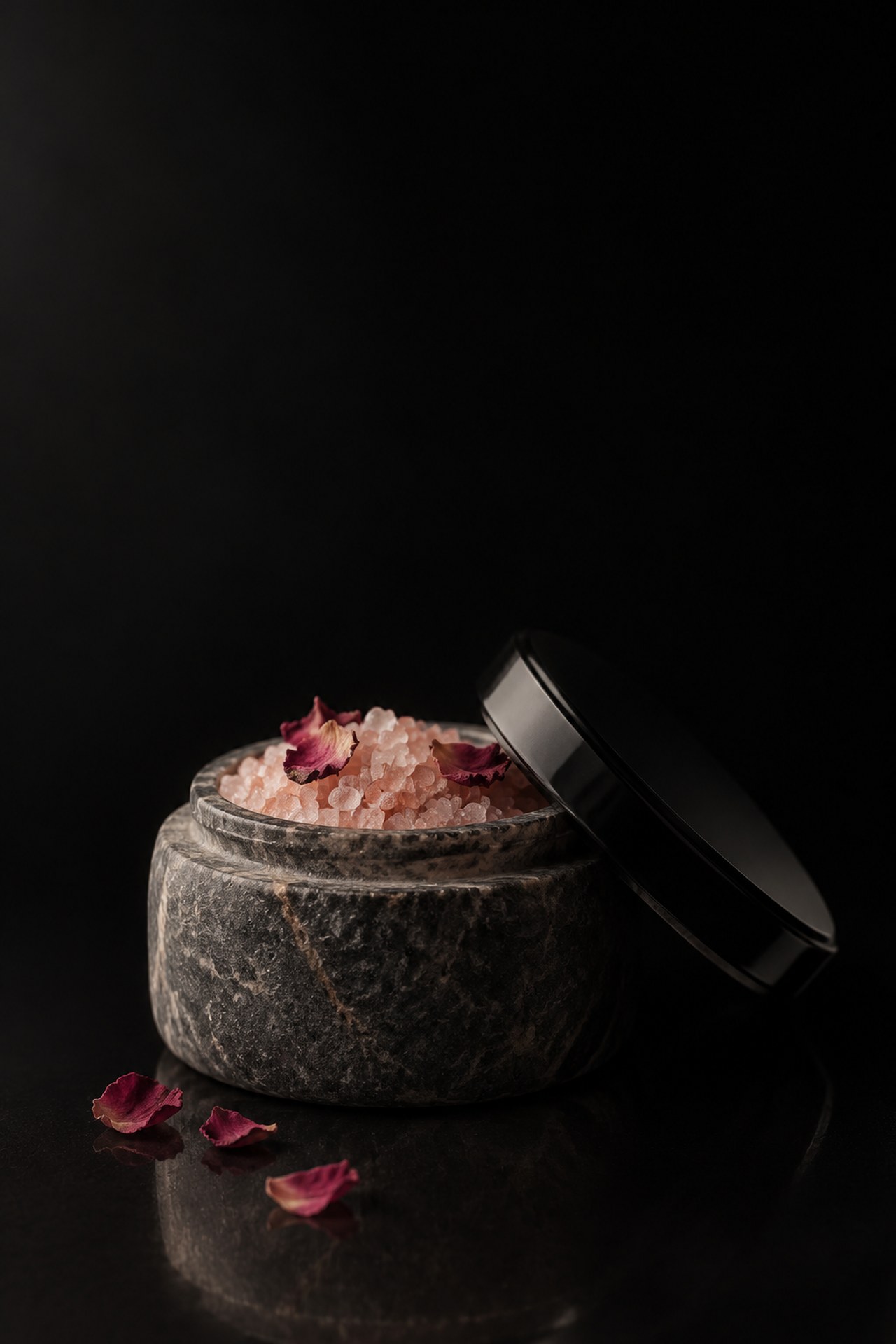
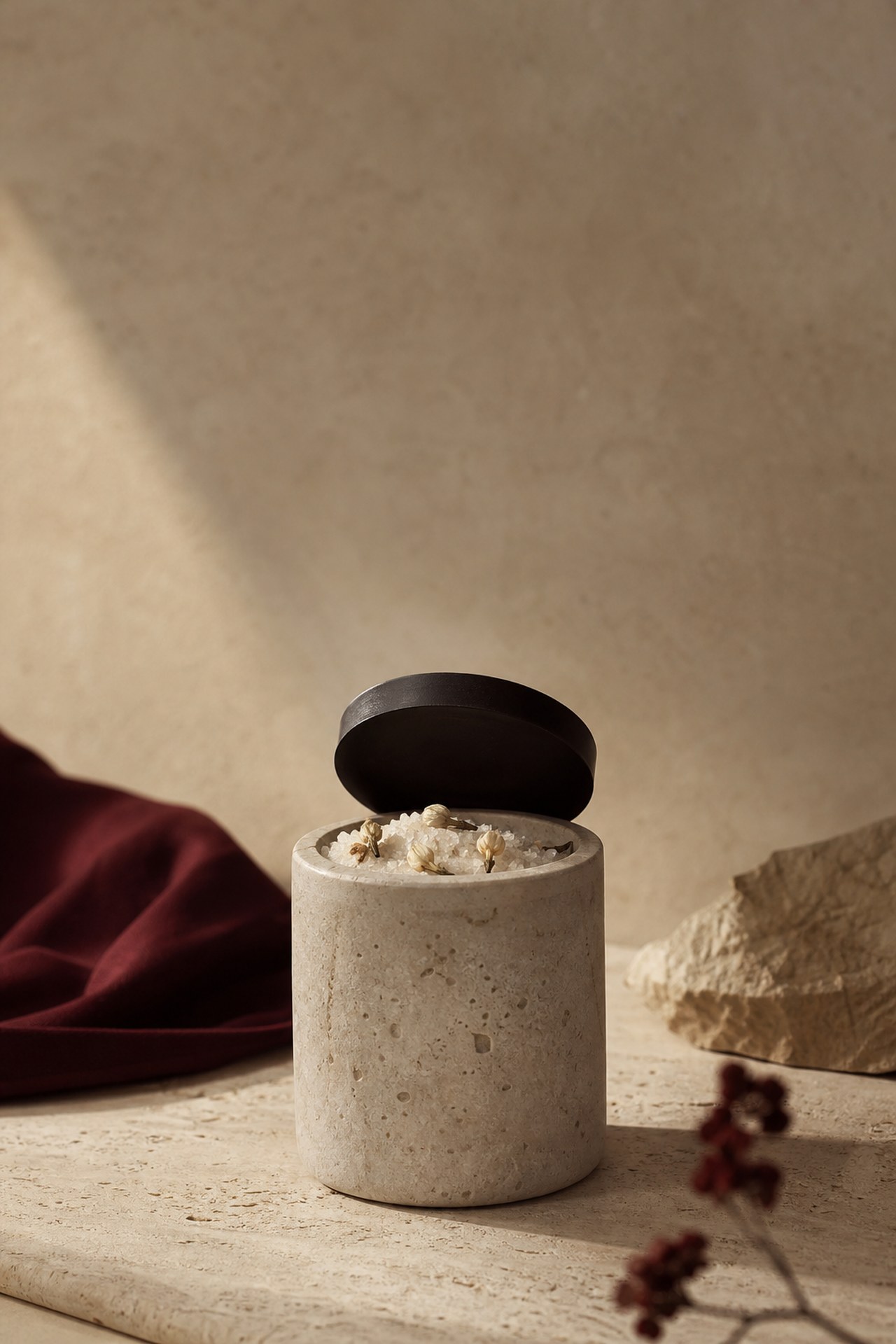
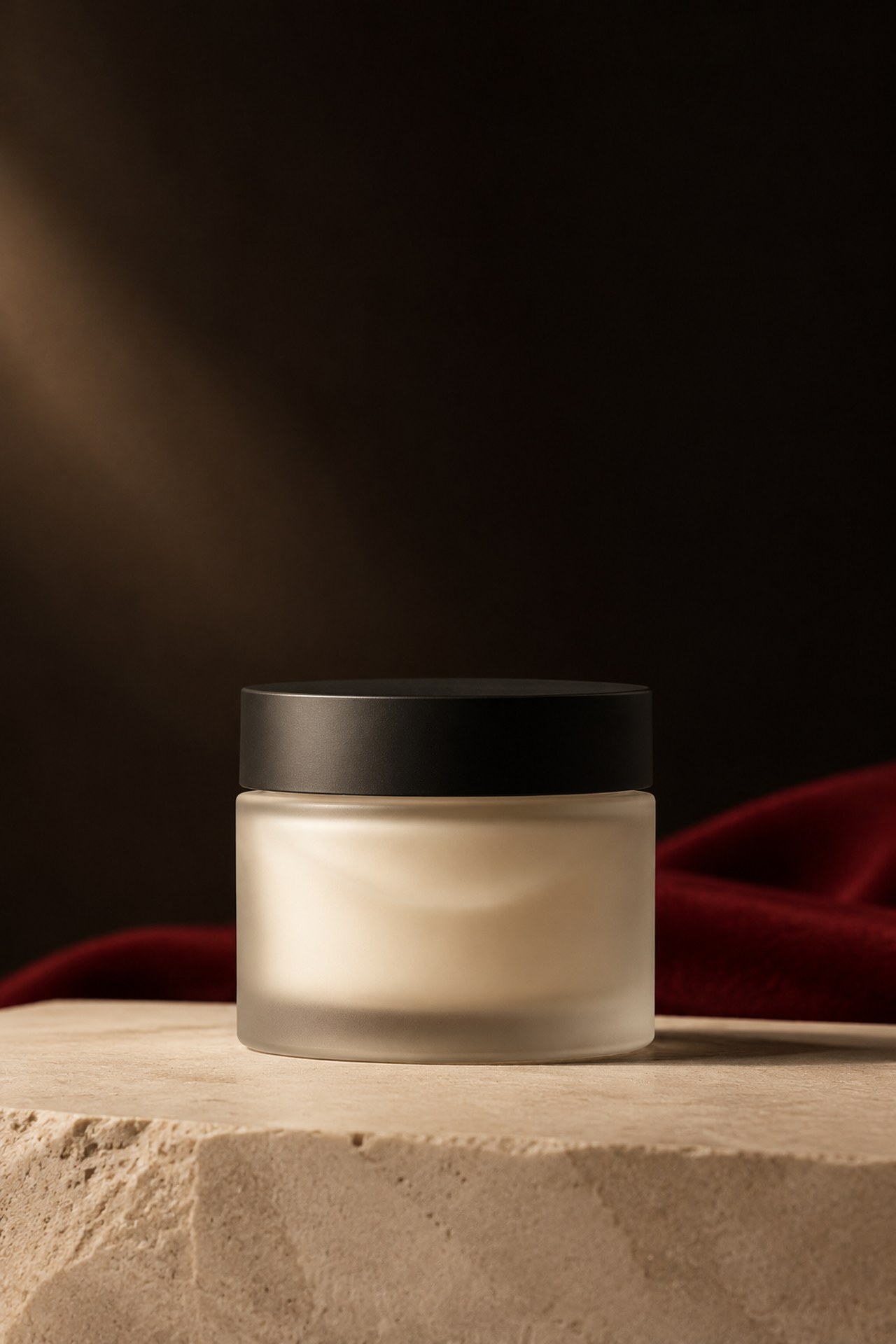
Oil, salt, and a lubricant with six ingredients. The unglamorous half of the category, made properly.
 Add to cart
 Add to cart
 Add to cart
 Add to cart
 Add to cart
 Add to cart
 Add to cart
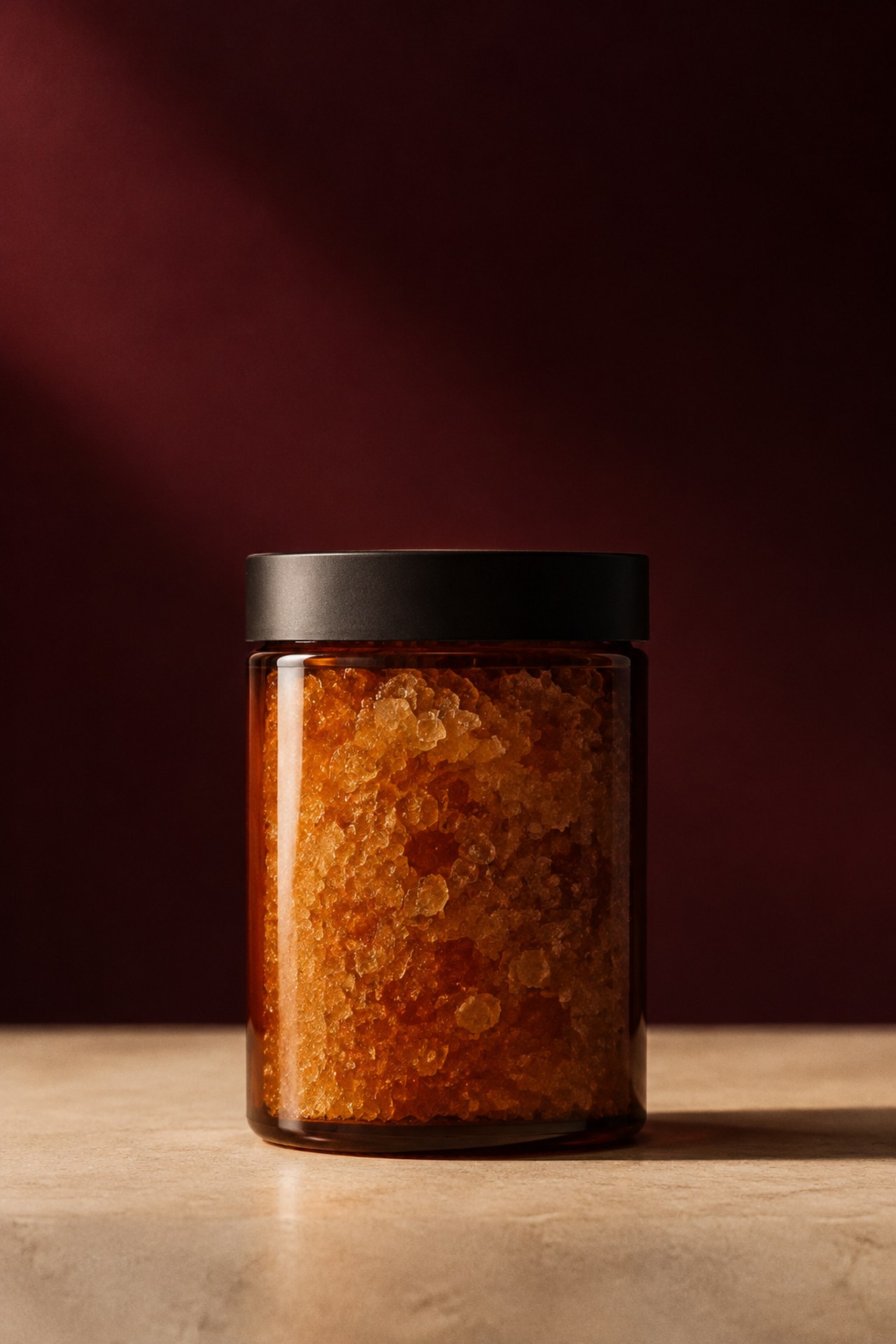 Add to cart
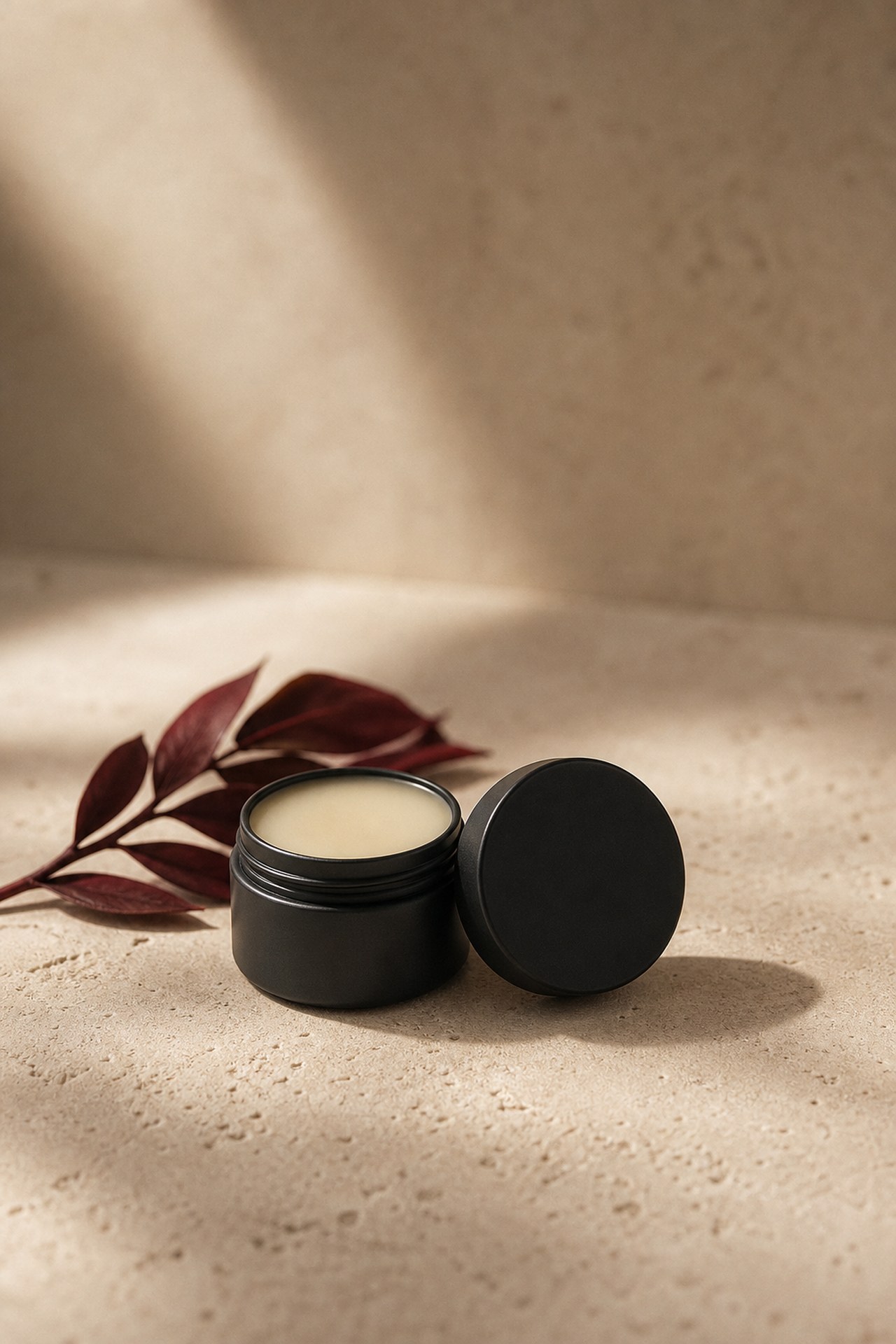 Add to cart
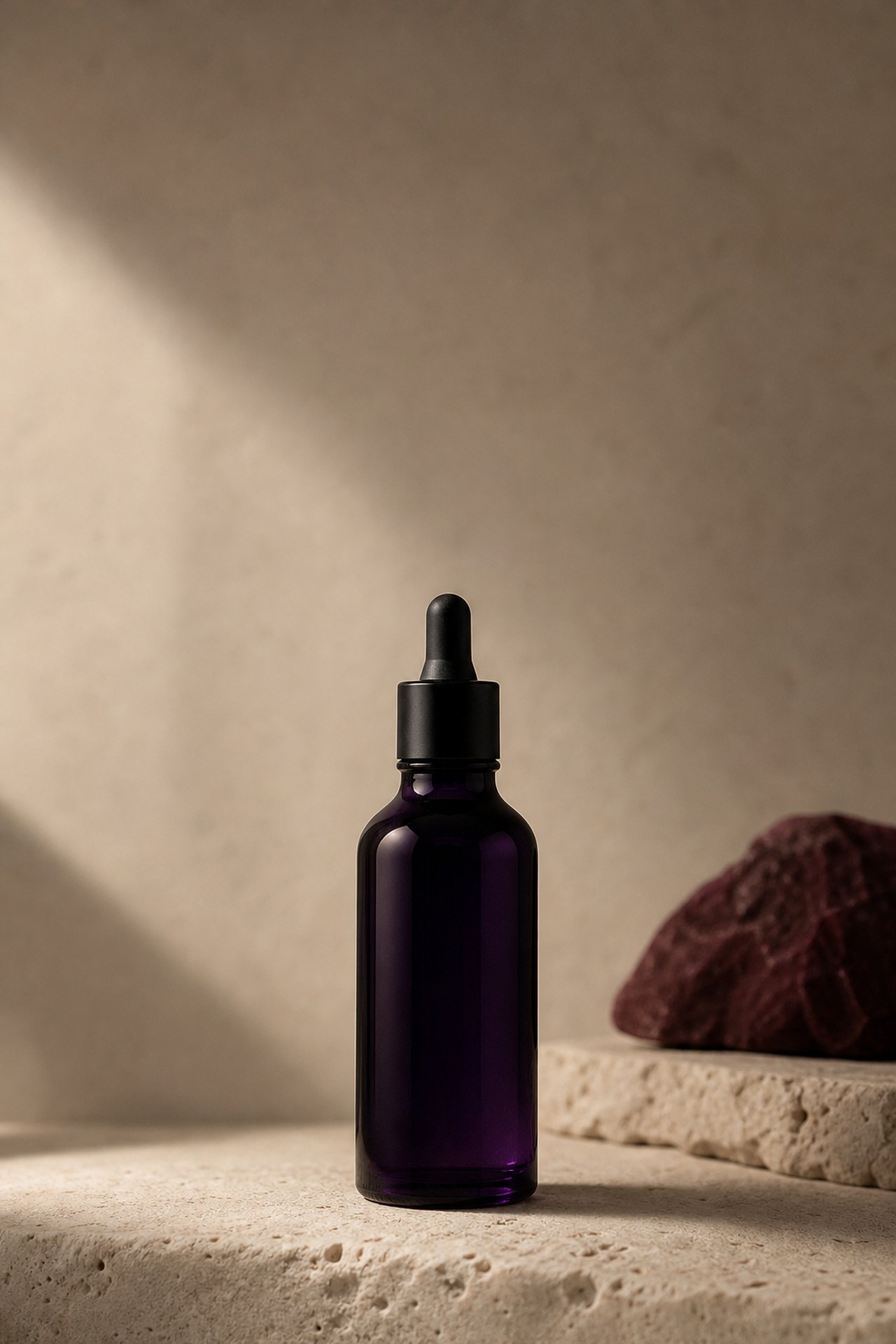 Add to cart
How to choose
Bath & body, in three decisions.
This chapter exists because the products around the object matter more than the object. A lubricant that turns sticky, a salt that leaves a ring, an oil that stains linen — each of these ends an evening faster than any design flaw in a device.
Everything here is unscented. That is a deliberate restriction: fragrance is the most common irritant in bath and body products, and in a category where the product is used on sensitive skin, adding scent is a marketing decision rather than a functional one. Where a product has a smell, it is the smell of its base material.
Match the lubricant to the material
Water-based works with everything, including silicone objects. Silicone-based lasts longer but will degrade silicone toys. Oil is for skin, not for barriers.
Patch test anything new
Apply a small amount to the inner forearm and wait an hour. This is especially worth doing with oils and salts, which are the two products most likely to provoke a reaction.
Buy smaller than you think
These are products with a shelf life. A 150 ml lubricant is roughly three months of regular use; buying a litre means throwing most of it away.
Questions asked about this chapter