Chapter one
Devices that hold still.
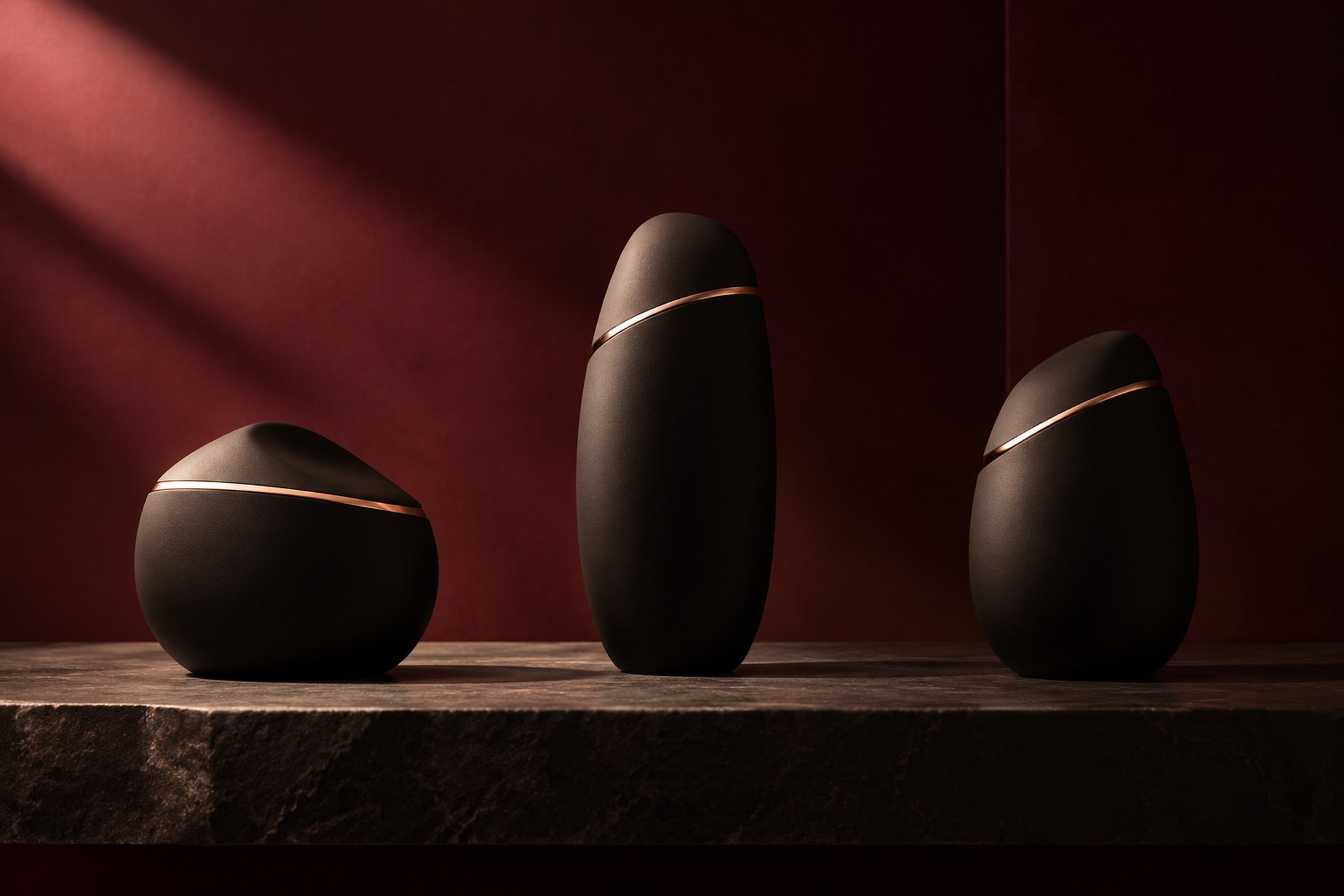
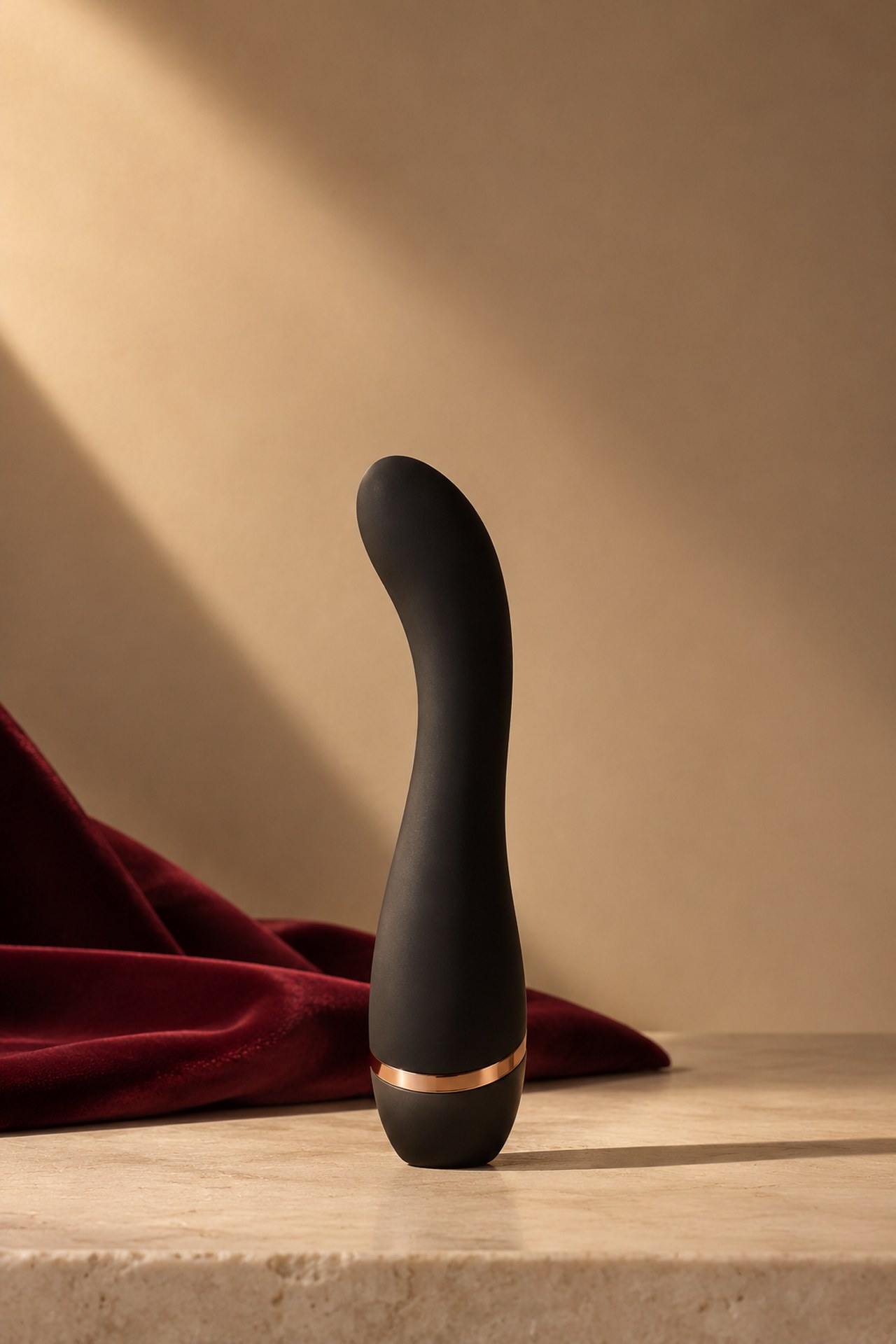
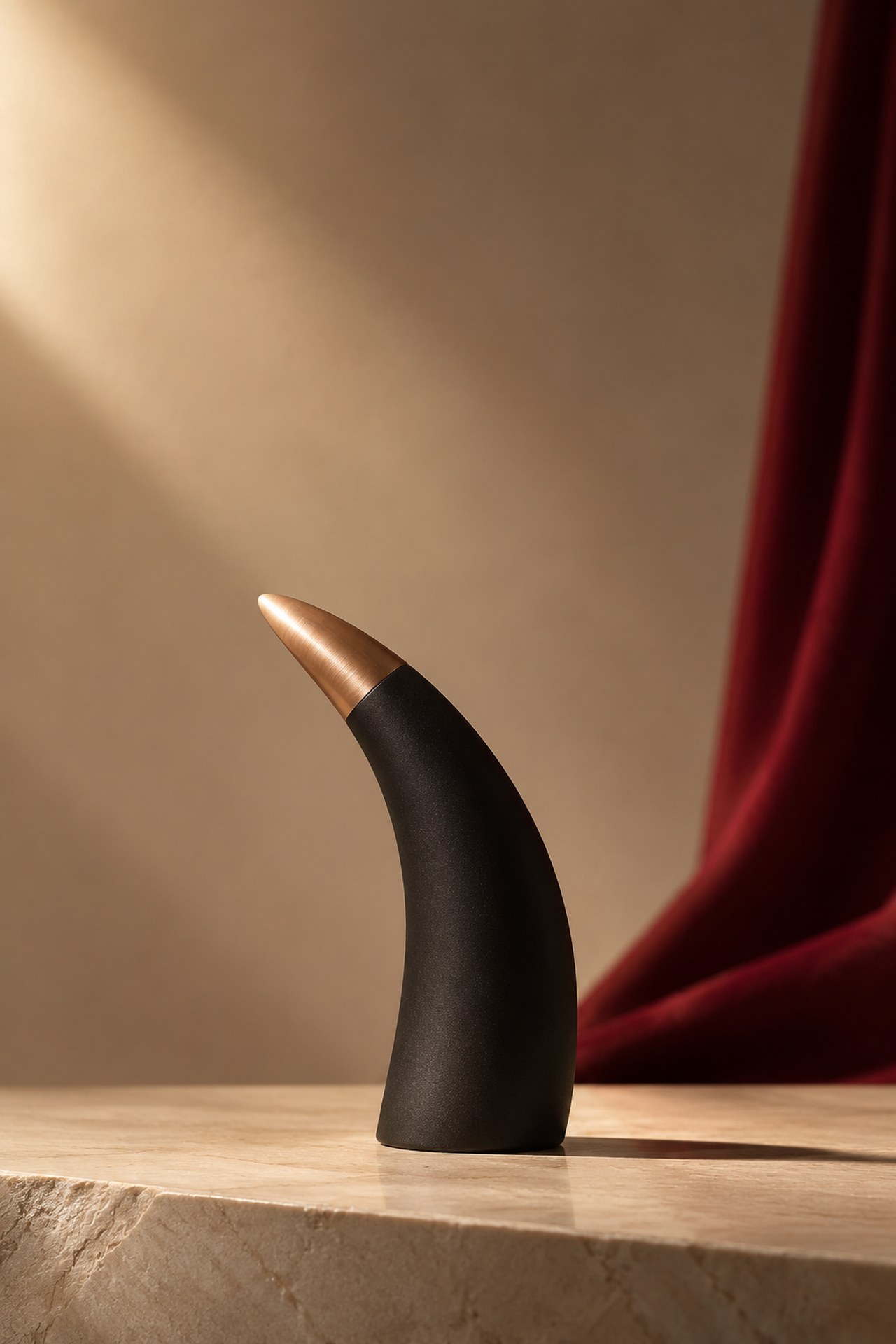
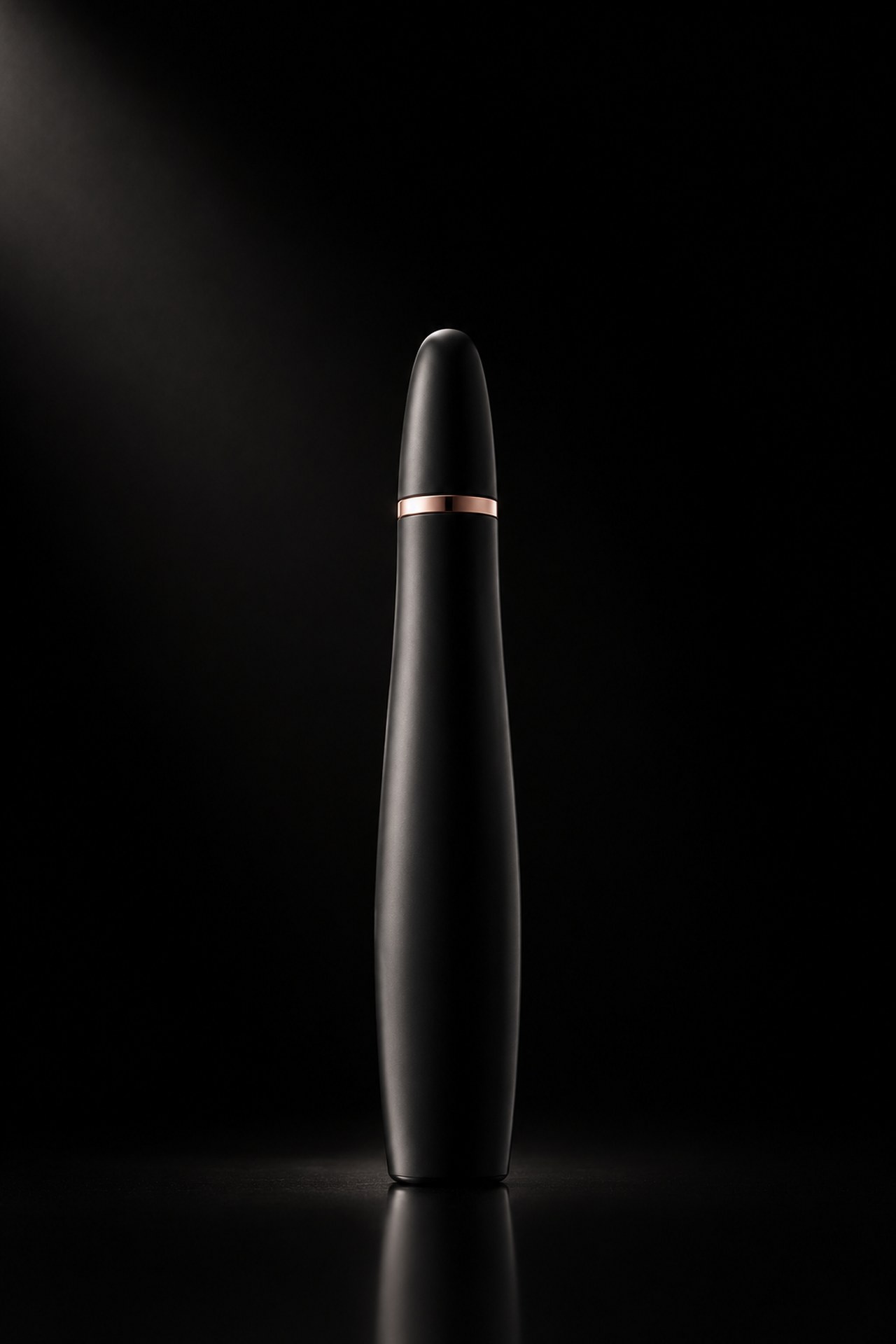
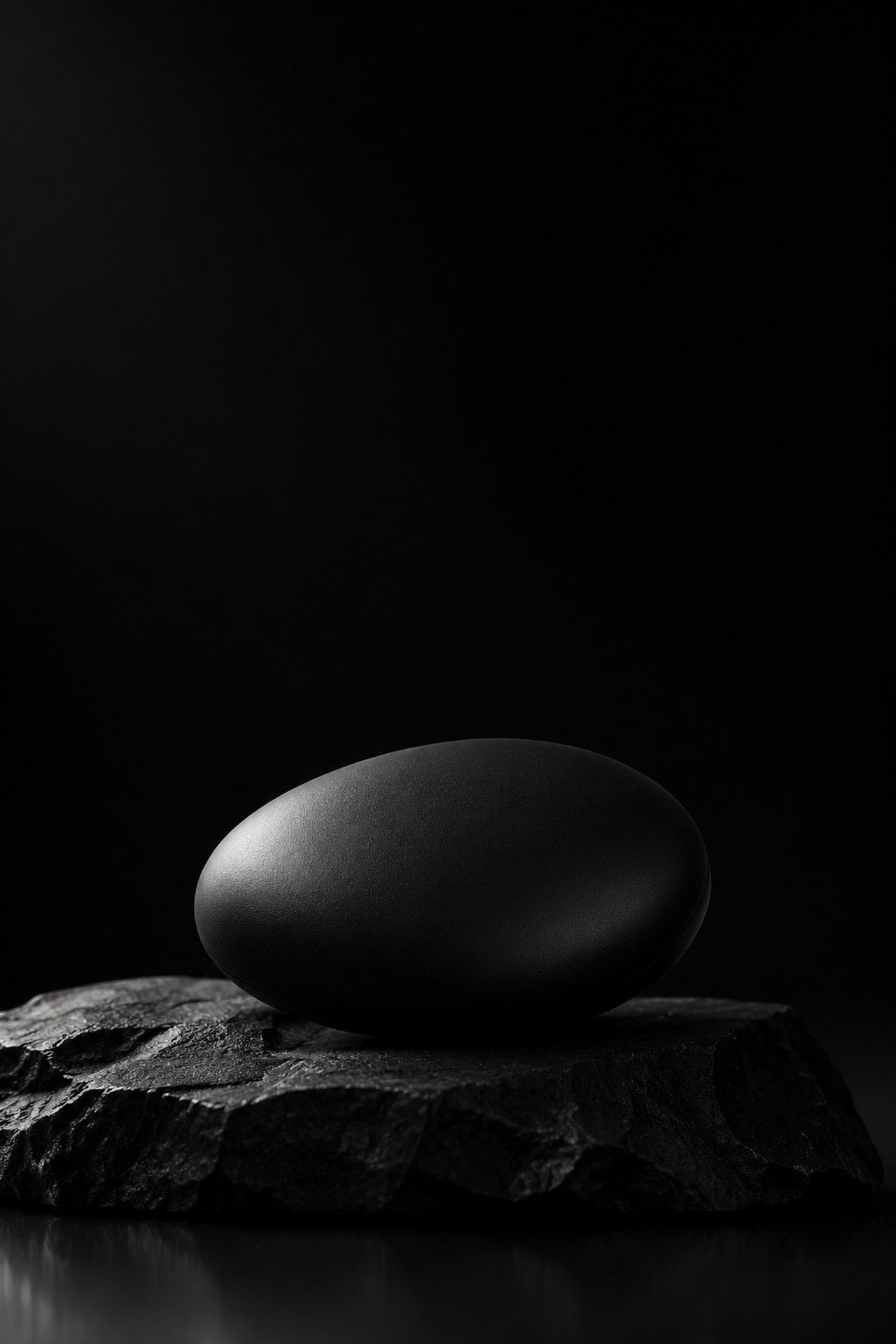
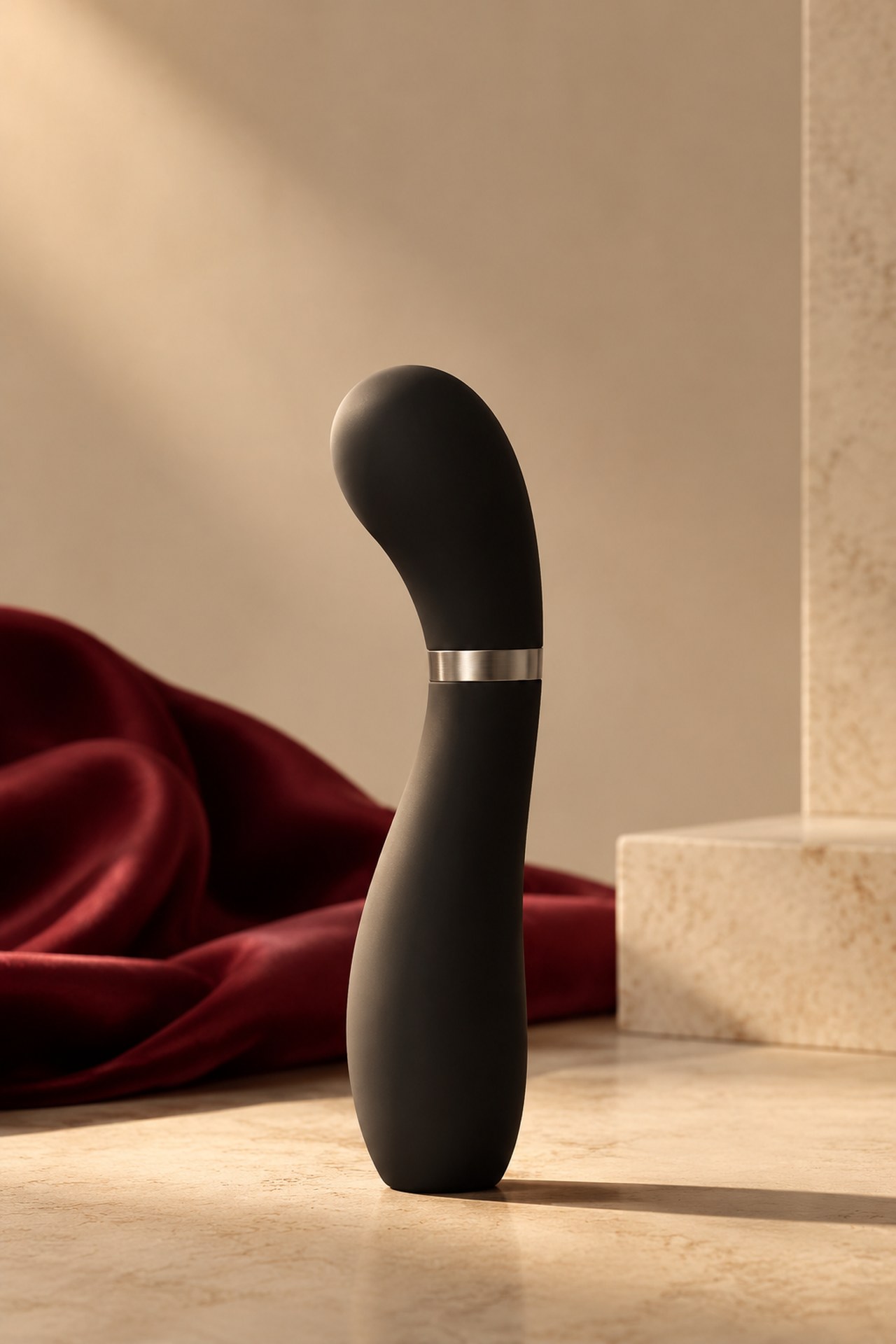
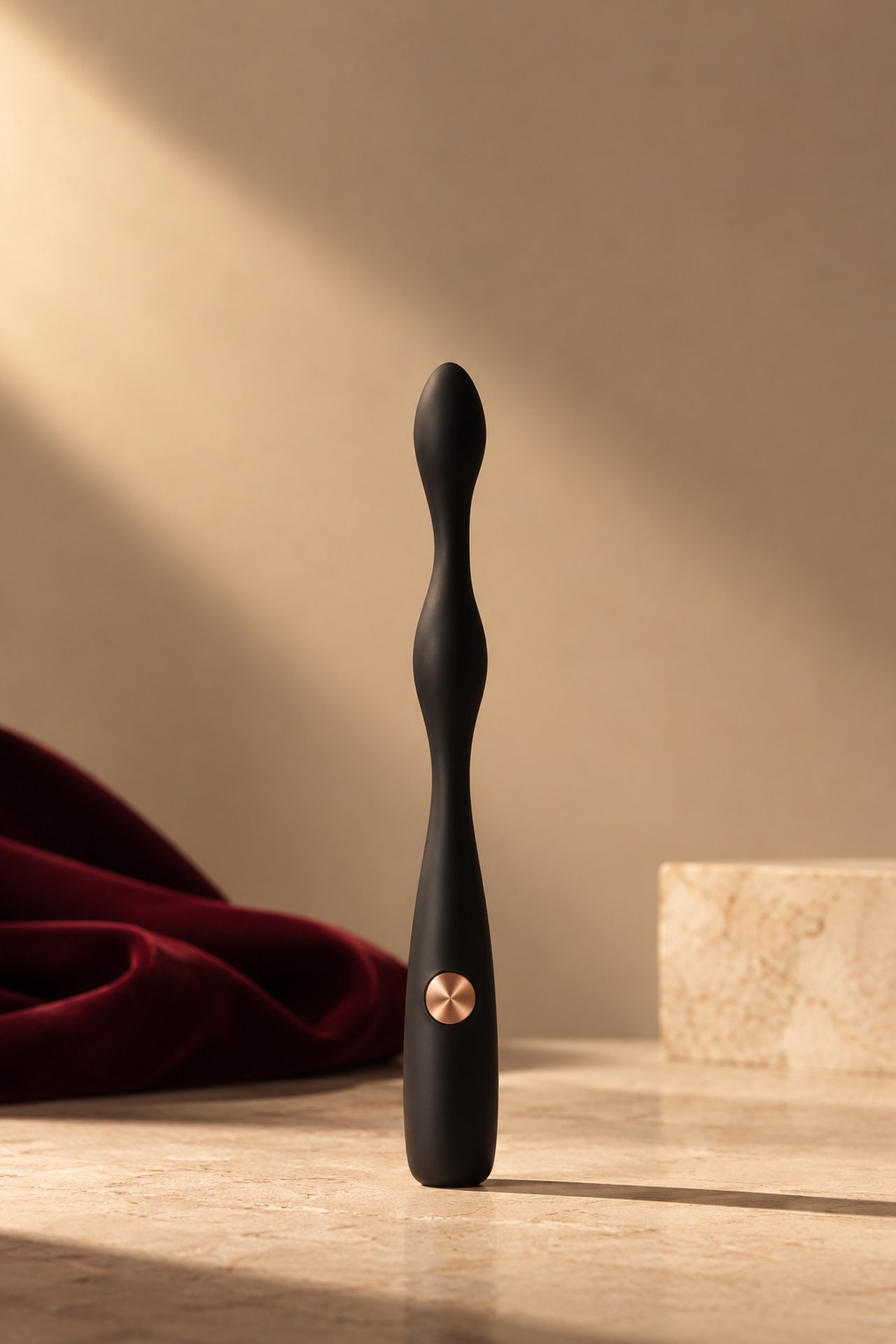
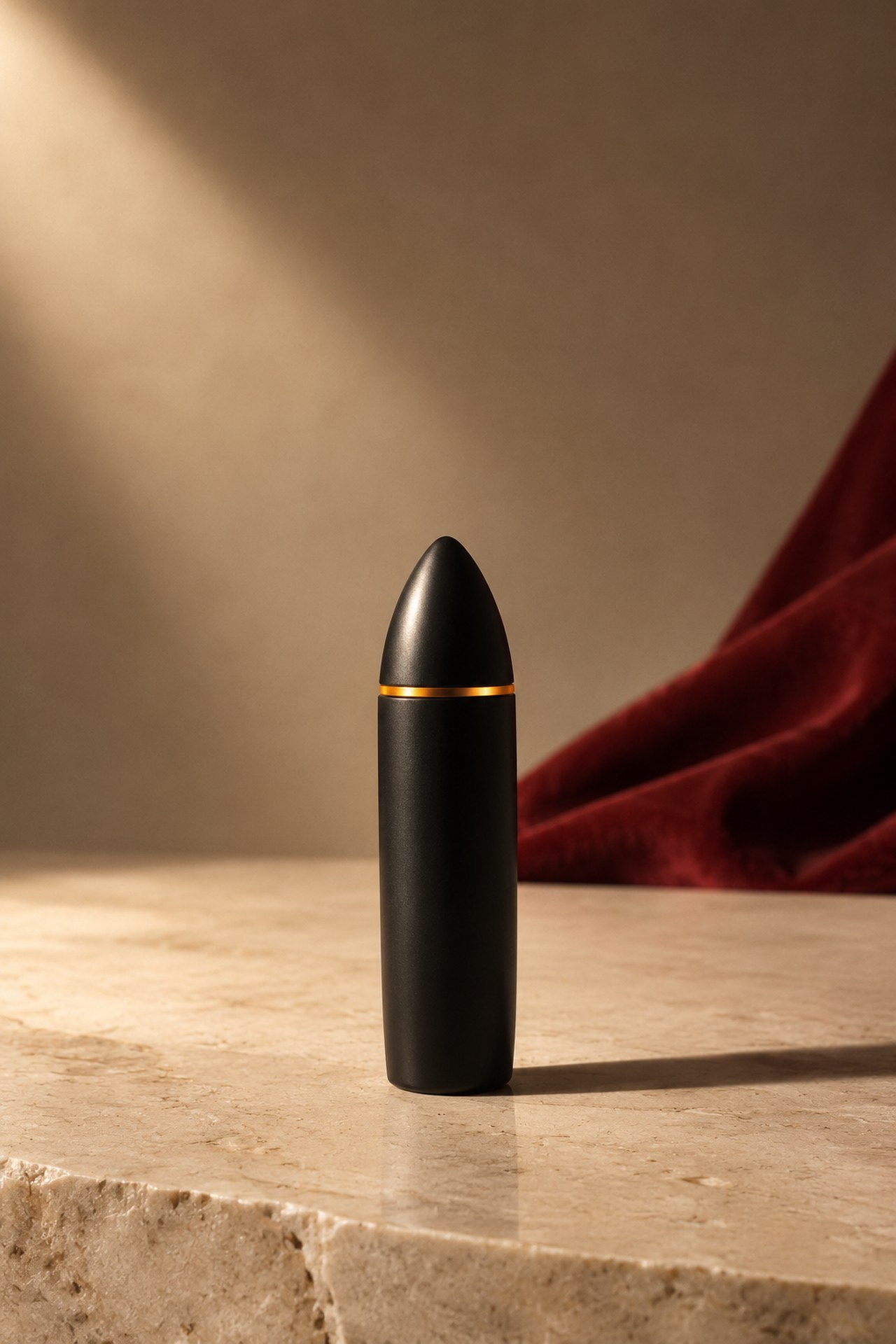
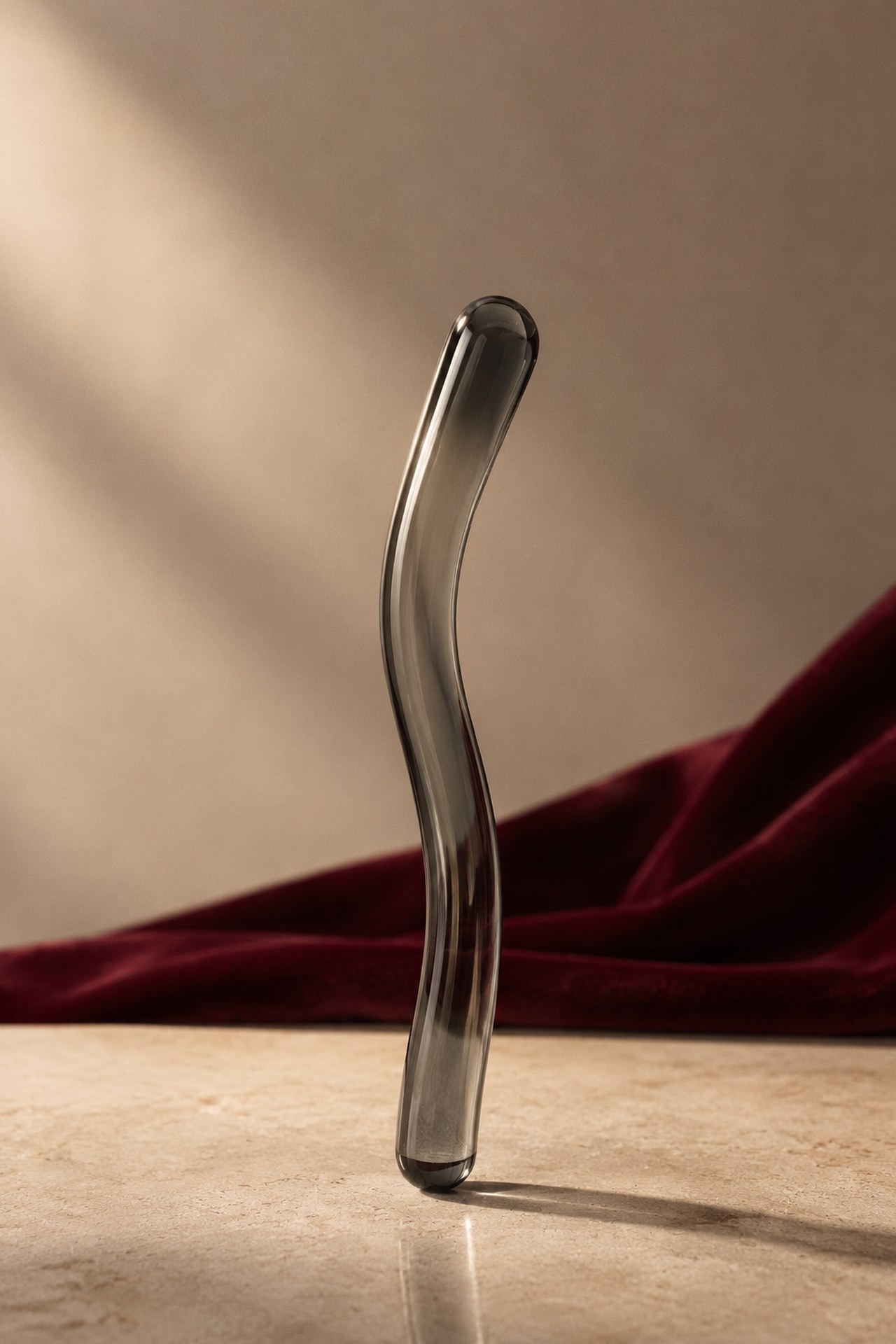
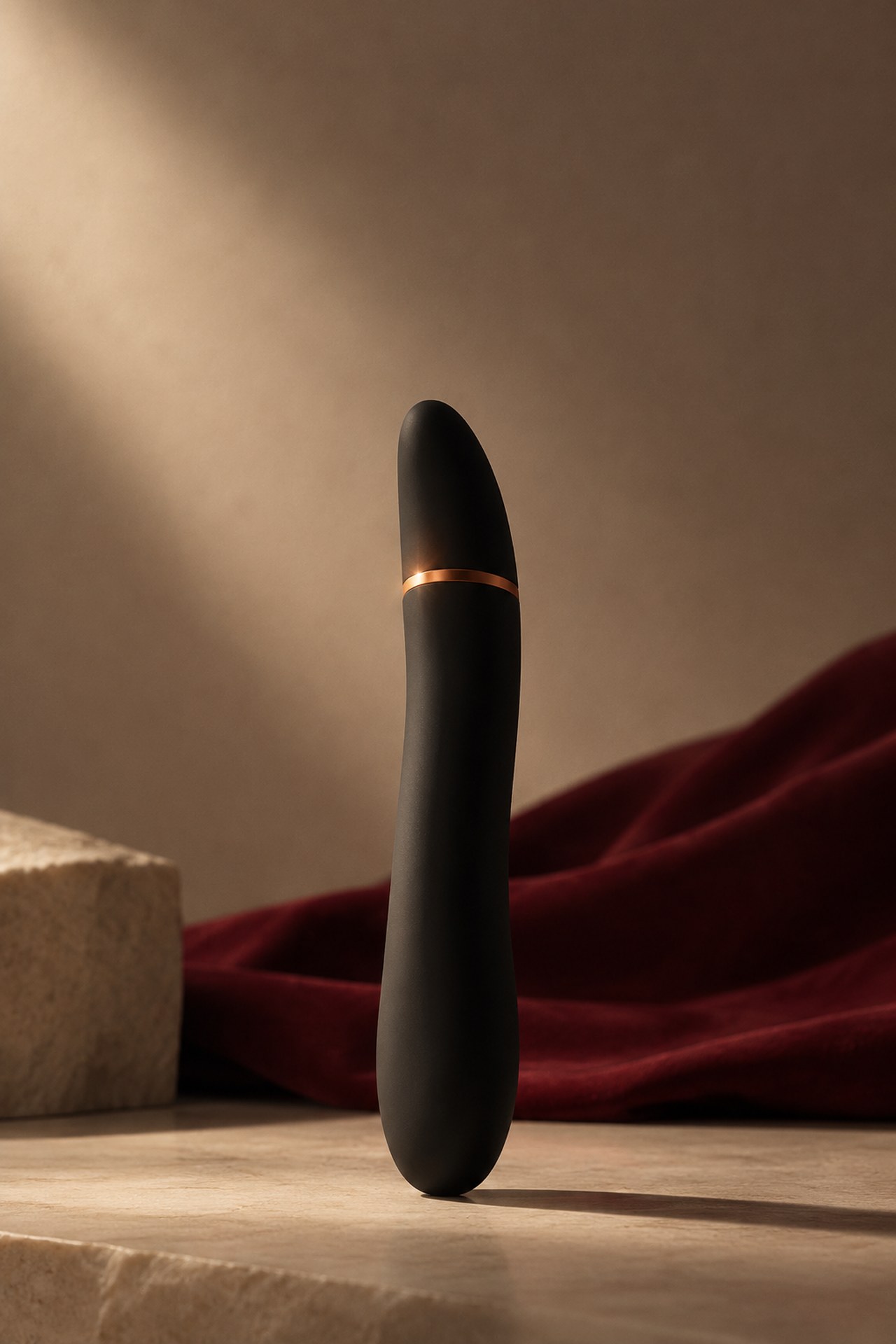
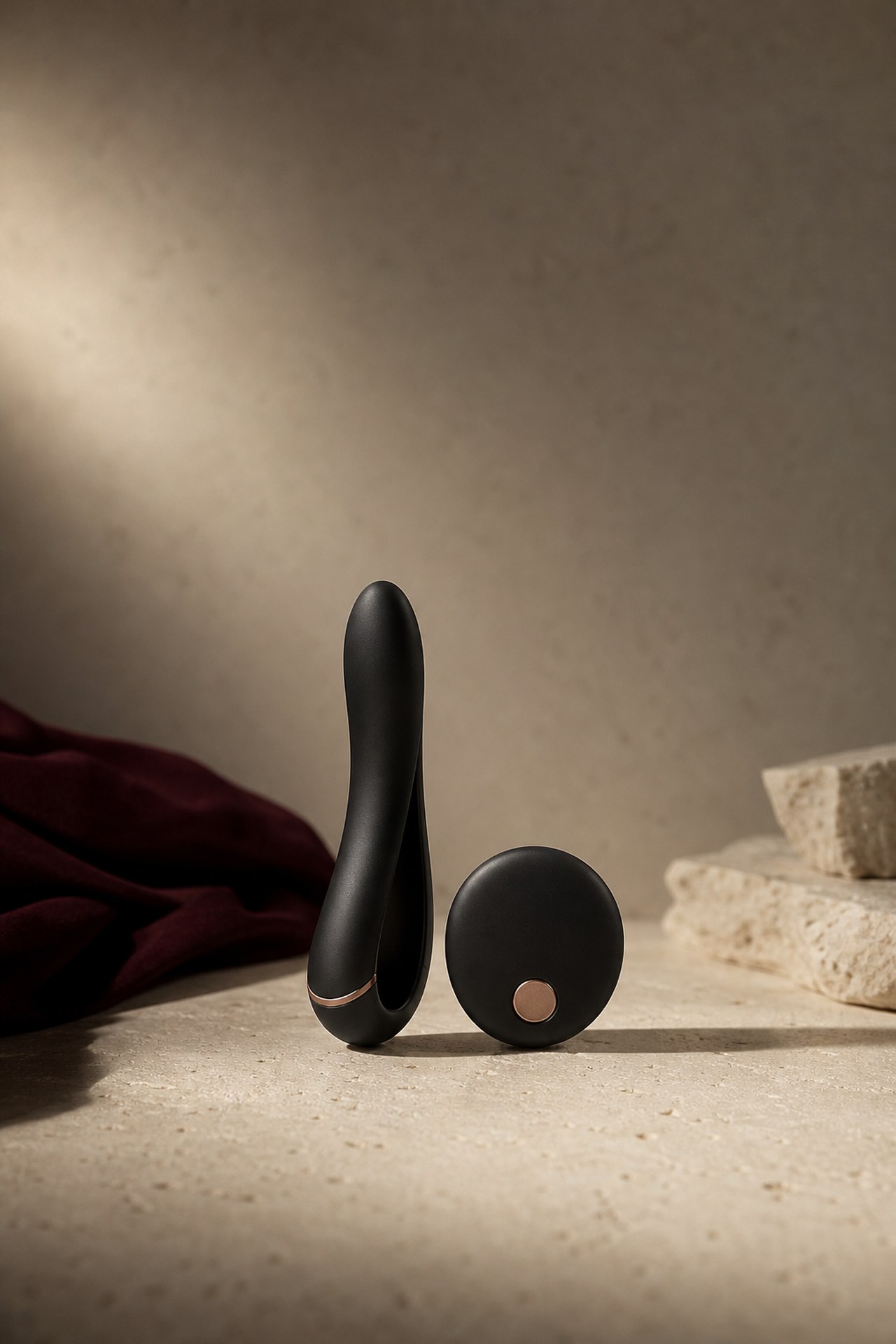
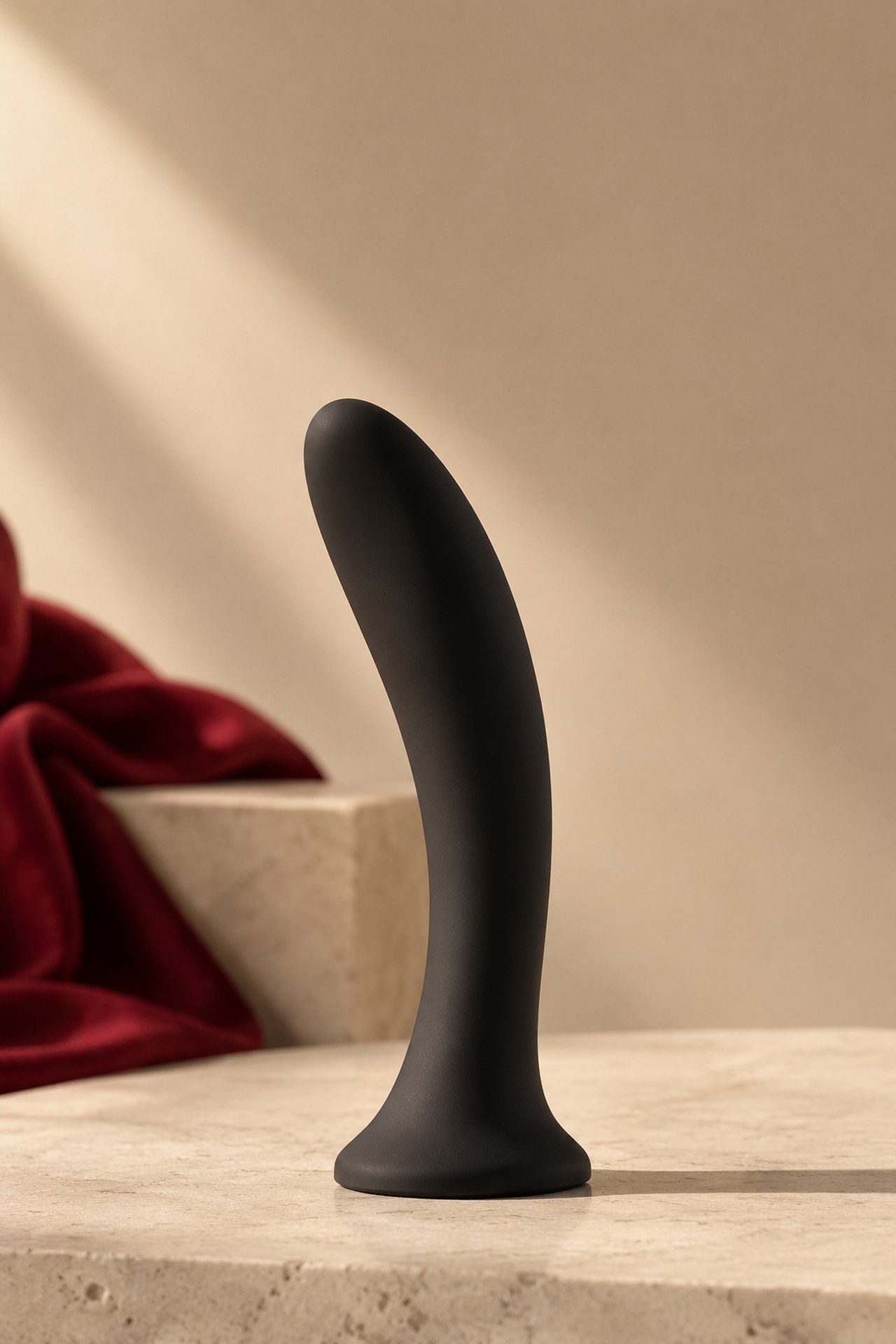
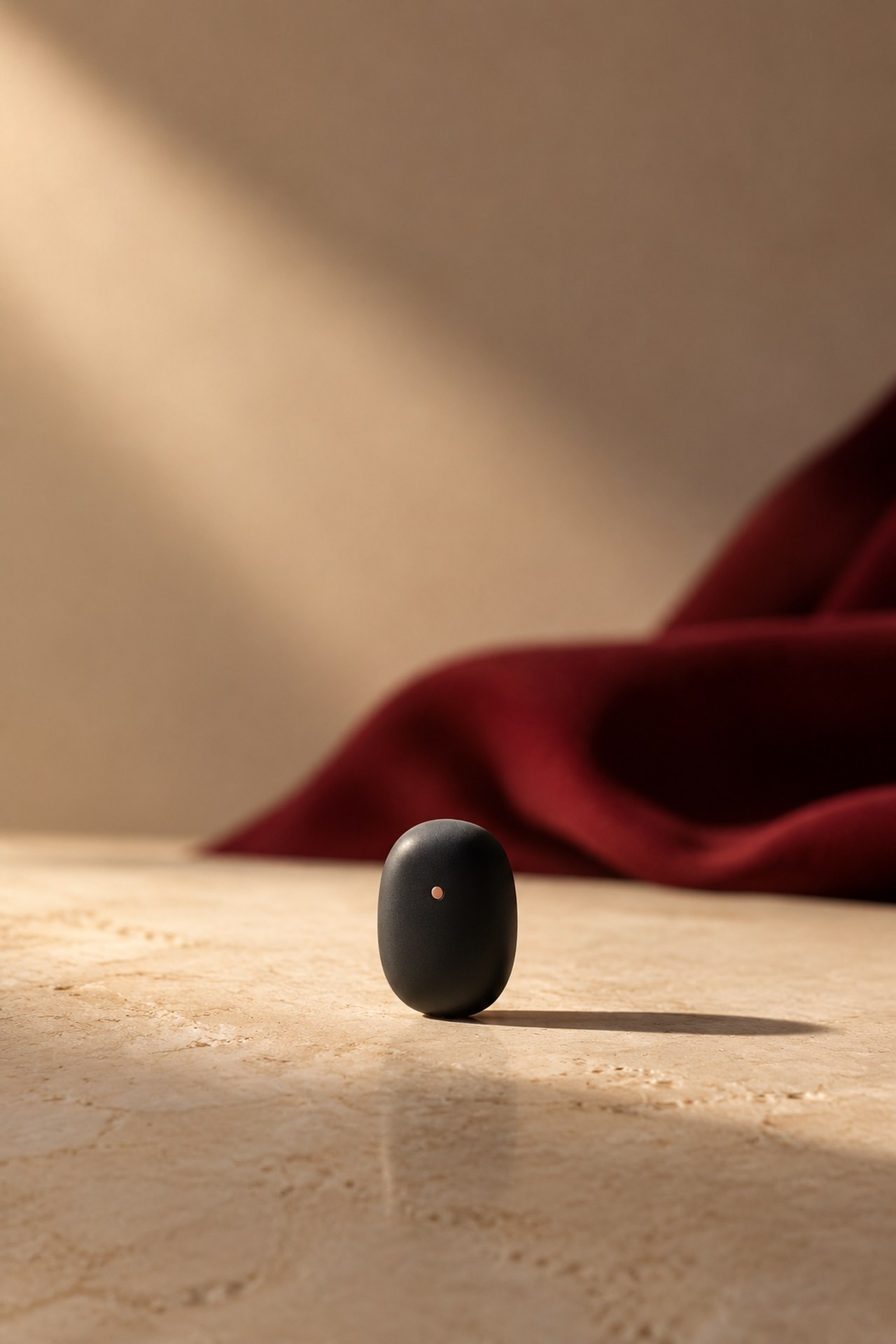
Three shapes, each built around a different kind of movement: a continuous pulse, a broad arc, a slim line. We keep the range small on purpose.
 Add to cart
 Add to cart
 Add to cart
 Add to cart
 Add to cart
 Add to cart
 Add to cart
 Add to cart
 Add to cart
 Add to cart
 Add to cart
 Add to cart
How to choose
Personal devices, in three decisions.
A device is a material decision before it is a technical one. Silicone is soft and warms quickly; ceramic is heavier and holds vibration differently; machined aluminium transmits it. None of these is better in the abstract, which is why the range is organised by material and shape rather than by intensity.
Every piece in this chapter is rechargeable, seam-free along the body, and sealed to at least IPX6. The charging contacts are magnetic on all three, so there is one cable in the house rather than three. Controls are deliberately simple: a single button and, at most, three patterns.
Start with shape, not power
A broad shape distributes vibration over a larger area and reads as slower; a narrow shape concentrates it. If you have never used a device before, the broader piece is usually the easier first purchase, not the smallest one.
Consider where it will live
An object that has to be hidden in a drawer gets used less than one that can stand on a shelf. Weight and a flat base matter more than most specification sheets admit.
Ignore the numbers
Intensity counts are marketing. What varies between pieces is the quality of the motor at low speed, which is where most use actually happens. Every piece here is designed to be quiet at the bottom of its range.
Questions asked about this chapter